
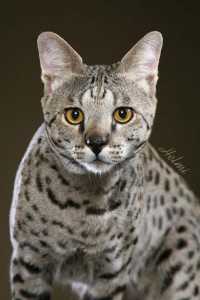
Yu wanna be cruel to me?
photo ©copyright Helmi Flick
| Contents Alabama Alaska Arizona Arkansas California Connecticut Colorado Michigan New York Ohio Pennsylvania Texas |
Cat cruelty laws USA are/will be set out here. These are/will be listed on a state by state basis. There is a significant disparity between the 50 United States. The law is as at 2008. Please always check for repealed/updated leglislation. The law is constantly evolving.
[NOTE 1: Please find and read the full verbatim text of the relevant legislation and seek advice before acting. Some of the references to the legislation is in summary form and are not verbatim copies, although they are carefully compiled and researched. Update: I am now reproducing the legislation verbatim as it seems permissable]
[Note 2: It is impractical set out all the law as it would take up thousands of pages. These are selected extracts appropriate to a site on cats and domestic animals generally]
This page is/will be built on an ad hoc basis and in a gradual manner as an when required (started Oct 2008). It is a database essentially. Links point to it from stories of cat cruelty on the Blogger site of the Picture of cats org website.
Laws that protect cats are general animal protection laws. Sometimes laws are enacted to protect certain animals. These are usually animals that for example play a work, sport or utility role in society such as horses/dogs. Wild animals are/will also listed individually in respect of rules concerning their protection.
If anyone takes issue with my assessment of the laws including any comments I might make please notify me if you wish [mjbmeister@gmail.com].
The basic source for this legislation is the HSUS website followed up by research on the exact text of the legislation. See a submission on cat abuse including information about the best US States for animal protection legislation.
Alabama – as at Oct 2008
(Act 2000-615, p. 1252, §2.) Code of Alabama – Title 13A: Criminal Code – Section 13A-11-241 – Cruelty in first and second degrees. The intentional torture of a cat (or dog) is a class C felony in the first degree. The section goes on to state that skinning a cat or dog is also a felony as is trading in cat or dog pelts. The maximum fine is $5000 and maximum imprisonment is 10 years.
Cruelty towards a cat (or dog) is a Class A misdemeanor. Cruelty is referred to as including: overloading, overdriving, depriving of shelter or sustenance, cruelly beating, mutilating and injuring the cat or dog or causing it to be done.
Alaska – as at Oct 2008 – Cat cruelty laws USA
Cruelty to Animals 11.61.140. A person commits the crime of cruelty to animals if he/she knowingly inflicts or, due to criminal neglect, causes severe pain or prolonged suffering to an animal (in the case of negligence causing death is included). Killing an animal in a decompression chamber is also a crime under this legislation. The animal must be a vertebrate and not a fish. There are statutory defenses. The offense is a class A misdemeanor. On the 3rd offense the crime becomes a class C felony punishable by a $50,000 fine and/or 5 years imprisonment and possible prohibition on animal ownership for 10 years.
Arizona – as at Oct 2008 – Cat cruelty laws USA
Arizona Revised Statutes §13-2910 Cruelty to animals. {note: I refer to the sections relevant to cats}. A person commits a crime if he/she with intent or recklessly:
- causes unnecessary physical suffering to any animal by inflicting upon it, or due to neglect or abandonment, subjects an animal to cruel mistreatment
- subjects an animal under the person’s custody to cruel neglect or abandonment or fails to provide medical attention to prevent suffering
- kills an animal belonging to or under the custody of another person without their consent
- leaves a animal in a vehicle that is likely to cause suffering and/or death.
There are statutory defenses. On conviction this is a class 6 felony on the first offense. The punishment is $150,000 and/or 1 years imprisonment. Please read the Act.
Arkansas – as at Oct 2008 – Cat cruelty laws USA
Title 5. Criminal Offenses. Subtitle 6. Offenses Against Public Health, Safety, or Welfare. Chapter 62. Animals. Subchapter 1. General Provisions. § 5-62-101. Cruelty to animals. A person commits a crime if he/she knowingly:
- abandons an animal
- cruelly mistreats an animal
- cruelly neglects an animal in his/her custody
- kills or injures an animal belonging to another person without that person’s consent
The crime is a class A misdemeanor. Penalty: 1 year, $1000 fine and counseling.
Comment: there is a petition on the web to upgrade this offence to a felony.
The legislation covering cat cruelty laws USA for California is penal code 597(a). A person can be fined a maximum of $20,000 and/or imprisoned for a maximum of one year if he/she intentionally tortures, maims, mutilates, wounds or kills a living animal. {note: the HSUS site lists the penalty as 1-3 years – this probably relates to specific crimes that extend the one year penalty}
Michigan – verebatim extract – As at Oct 2008
THE MICHIGAN PENAL CODE (EXCERPT) Act 328 of 1931 750.50b Animal defined; prohibited acts; violation; penalty; exceptions.
Sec. 50b.
(1) As used in this section, “animal” means any vertebrate other than a human being.
(2) A person who willfully, maliciously and without just cause or excuse kills, tortures, mutilates, maims, or disfigures an animal or who willfully and maliciously and without just cause or excuse administers poison to an animal, or exposes an animal to any poisonous substance, other than a substance that is used for therapeutic veterinary medical purposes, with the intent that the substance be taken or swallowed by the animal, is guilty of a felony, punishable by imprisonment for not more than 4 years, or by a fine of not more than $5,000.00, or community service for not more than 500 hours or any combination of these penalties.
New York as at Oct 2008 -this law quoted here is verbatim
In the state of New York there is a crime of aggravated cruelty to animals under code § 353-a. This states that:
1. A person is guilty of aggravated cruelty to animals when, with no justifiable purpose, he or she intentionally kills or intentionally causes serious physical injury to a companion animal with aggravated cruelty. For purposes of this section, “aggravated cruelty” shall mean conduct which: (i) is intended to cause extreme physical pain; or (ii) is done or carried out in an especially depraved or sadistic manner.
3. Aggravated cruelty to animals is a felony. A defendant convicted of this offense shall be sentenced pursuant to paragraph (b) of subdivision one of section 55.10 of the penal law provided, however, that any term of imprisonment imposed for violation of this section shall be a definite sentence, which may not exceed two years.
The relevant legislation is § 5511. Cruelty to animals. If a person willfully and/or maliciously kills, maims, mutilates, tortures or disfigures a cat (or dog) or administers a poison to or exposes a poison with intent to a cat (or dog), notwithstanding that the cat (or dog)may or may not belong to the person, commits a misdemeanor of the first degree. On conviction the punishment is a fine of $1000 and/or imprisonment of not more than 2 years.
The HSUS site says that on a second offence it is a felony of the 3rd degree with the penalty being a maximum fine of $7,000 and/or imprisonment for a maximum of 7 years. A pre-sentence report may be commissioned. This alludes to mental health problems of offenders and possible treatment.
Section 18-9-202. Cruelty to animals–aggravated cruelty to animals–neglect of animals—offenses
(1) (a) A person commits cruelty to animals if he or she knowingly, recklessly or with criminal negligence overdrives, overloads, overworks, torments, deprives of necessary sustenance, unnecessarily or cruelly beats, carries or confines in or upon any vehicles in a cruel or reckless manner, or otherwise mistreats or neglects any animal, or causes or procures it to be done, or, having the charge or custody of any animal, fails to provide it with proper food, drink, or protection from the weather, or abandons it.
(b) Any person who intentionally abandons a dog or cat commits the offense of cruelty to animals.
(1.5)(a) A person commits cruelty to animals if he or she recklessly or with criminal negligence tortures, needlessly mutilates, or needlessly kills an animal.
(b) A person commits aggravated cruelty to animals if he or she knowingly tortures, needlessly mutilates, or needlessly kills an animal. (Class 6 felony)
Notes: Aggravated cruelty is a class 5 felony and any subsequent offense would be a class 4 felony. Fines: Minimum $1,000, Maximum $500,000. Imprisonment: Class 5: Min = 1 year, Max = 3 years. Class 4: Min = 2 years, Max = 6 years.
A Judge can order an evaluation or treatment for anger management on 1st offense. There is an obligation to make such an order on the 2nd offense.
§ 53-247. Cruelty to animals. Fighting animals. Intentional killing of police animals or dogs in volunteer canine search and rescue teams
(a) Any person who overdrives, drives when overloaded, overworks, tortures, deprives of necessary sustenance, mutilates or cruelly beats or kills or unjustifiably injures any animal, or who, having impounded or confined any animal, fails to give such animal proper care or neglects to cage or restrain any such animal from doing injury to itself or to another animal or fails to supply any such animal with wholesome air, food and water, or unjustifiably administers any poisonous or noxious drug or substance to any domestic animal or unjustifiably exposes any such drug or substance, with intent that the same shall be taken by an animal, or causes it to be done, or, having charge or custody of any animal, inflicts cruelty upon it or fails to provide it with proper food, drink or protection from the weather or abandons it or carries it or causes it to be carried in a cruel manner, or fights with or baits, harasses or worries any animal for the purpose of making it perform for amusement, diversion or exhibition, shall be fined not more than one thousand dollars or imprisoned not more than one year or both.
(b) Any person who maliciously and intentionally maims, mutilates, tortures, wounds or kills an animal shall be fined not more than five thousand dollars or imprisoned not more than five years or both. The provisions of this subsection shall not apply to any licensed veterinarian while following accepted standards of practice of the profession or to any person while following approved methods of slaughter under section 22-272a, while performing medical research as an employee of, student in or person associated with any hospital, educational institution or laboratory, while following generally accepted agricultural practices or while lawfully engaged in the taking of wildlife.
Please see: Ohio is tired of animal cruelty
OHIO REV. CODE ANN. § 959.01 (2008). Abandoning animals
No owner or keeper of a dog, cat, or other domestic animal, shall abandon such animal.
OHIO REV. CODE ANN. § 959.02 (2008). Injuring animals.
No person shall maliciously, or willfully, and without the consent of the owner, kill or injure a horse, mare, foal, filly, jack, mule, sheep, goat, cow, steer, bull, heifer, ass, ox, swine, dog, cat, or other domestic animal that is the property of another. This section does not apply to a licensed veterinarian acting in an official capacity.
OHIO REV. CODE ANN. § 959.03 (2008). Poisoning animals No person shall maliciously, or willfully and without the consent of the owner, administer
poison, except a licensed veterinarian acting in such capacity, to a horse, mare, foal, filly, jack, mule, sheep, goat, cow, steer, bull, heifer, ass, ox, swine, dog, cat, poultry, or any other domestic animal that is the property of another; and no person shall, willfully and without the consent of the owner, place any poisoned food where it may be easily found and eaten by any of such animals, either upon his own lands or the lands of another.
OHIO REV. CODE ANN. § 959.13 (2008). Cruelty to animals.
(A) No person shall:
(1) Torture an animal, deprive one of necessary sustenance, unnecessarily or cruelly beat, needlessly mutilate or kill, or impound or confine an animal without supplying it during such confinement with a sufficient quantity of good wholesome food and water;
(2) Impound or confine an animal without affording it, during such confinement, access to shelter from wind, rain, snow, or excessive direct sunlight if it can reasonably be expected that the animals would otherwise become sick or in some other way suffer.
Division (A)(2) of this section does not apply to animals impounded or confined prior to slaughter. For the purpose of this section, shelter means a man-made enclosure, windbreak, sunshade, or natural windbreak or sunshade that is developed from the earth’s contour, tree development, or vegetation.
(3) Carry or convey an animal in a cruel or inhuman manner;
(4) (5) (B) and (C) omitted
Definition of companion animal
(1) “Companion animal” means any animal that is kept inside a residential dwelling and any dog or cat regardless of where it is kept. “Companion animal” does not include livestock or any wild animal.
Offences
(B) No person shall knowingly torture, torment, needlessly mutilate or maim, cruelly beat, poison, needlessly kill, or commit an act of cruelty against a companion animal.
(C) No person who confines or who is the custodian or caretaker of a companion animal shall negligently do any of the following:
(1) Torture, torment, needlessly mutilate or maim, cruelly beat, poison, needlessly kill, or commit an act of cruelty against the companion animal;
(2) Deprive the companion animal of necessary sustenance, confine the companion animal without supplying it during the confinement with sufficient quantities of good, wholesome food and water, or impound or confine the companion animal without affording it, during the impoundment or confinement, with access to shelter from heat, cold, wind, rain, snow, or excessive direct sunlight, if it can reasonably be expected that the companion animal would become sick or suffer in any other way as a result of or due to the deprivation, confinement, or impoundment or confinement in any of those specified manners.
More definitions
(A) Animal includes every living dumb creature;
(B) Cruelty, torment and torture include every act, omission, or neglect by which unnecessary or unjustifiable pain or suffering is caused, permitted, or allowed to continue, when there is a reasonable remedy or relief;
(C) Owner and person include corporations. For the purpose of this section the knowledge and acts of the agents and employees of a corporation, in regard to animals transported, owned, or employed by, or in the custody of, such agents and employees, are the knowledge and acts of the corporation.
TEX. PENAL CODE ANN. § 42.092 (2008). Cruelty To Nonlivestock Animals.
Definitions
(a) In this section:
(1) “Abandon” includes abandoning an animal in the person’s custody without making reasonable arrangements for assumption of custody by another person.
(2) “Animal” means a domesticated living creature, including any stray or feral cat or dog, and a wild living creature previously captured. The term does not include an uncaptured wild living creature or a livestock animal.
(3) “Cruel manner” includes a manner that causes or permits unjustified or unwarranted pain or suffering.
(4) “Custody” includes responsibility for the health, safety, and welfare of an animal subject to the person’s care and control, regardless of ownership of the animal.
(5) “Depredation” has the meaning assigned by Section 71.001, Parks and Wildlife Code.
(6) “Livestock animal” has the meaning assigned by Section 42.09.
(7) “Necessary food, water, care, or shelter” includes food, water, care, or shelter provided to the extent required to maintain the animal in a state of good health.
(8) “Torture” includes any act that causes unjustifiable pain or suffering.
Offence
(b) A person commits an offense if the person intentionally, knowingly, or recklessly:
(1) tortures an animal or in a cruel manner kills or causes serious bodily injury to an animal;
(2) without the owner’s effective consent, kills, administers poison to, or causes serious bodily injury to an animal;
(3) fails unreasonably to provide necessary food, water, care, or shelter for an animal in the person’s custody;
(4) abandons unreasonably an animal in the person’s custody;
(5) transports or confines an animal in a cruel manner;
(6) without the owner’s effective consent, causes bodily injury to an animal;
(7) causes one animal to fight with another animal, if either animal is not a dog;
(8) uses a live animal as a lure in dog race training or in dog coursing on a racetrack;
or
(9) seriously overworks an animal.
Punishment
(c) An offense under Subsection (b)(3), (4), (5), (6), or (9) is a Class A misdemeanor, except that the offense is a state jail felony if the person has previously been convicted two times under this section, two times under Section 42.09, or one time under this section and one time under Section 42.09. An offense under Subsection (b)(1), (2), (7), or (8) is a state jail felony, except that the offense is a felony of the third degree if the person has previously been convicted two times under this section, two times under Section 42.09, or one time under this section and one time under Section 42.09.
Defences
(d) It is a defense to prosecution under this section that:
(1) the actor had a reasonable fear of bodily injury to the actor or to another person by a dangerous wild animal as defined by Section 822.101, Health and Safety Code; or
(2) the actor was engaged in bona fide experimentation for scientific research.
(e) It is a defense to prosecution under Subsection (b)(2) or (6) that:
(1) the animal was discovered on the person’s property in the act of or after injuring or killing the person’s livestock animals or damaging the person’s crops and that the person killed or injured the animal at the time of this discovery; or
(2) the person killed or injured the animal within the scope of the person’s employment as a public servant or in furtherance of activities or operations associated with electricity transmission or distribution, electricity generation or operations associated with the generation of electricity, or natural gas delivery.
(f) It is an exception to the application of this section that the conduct engaged in by the actor is a generally accepted and otherwise lawful:
(1) form of conduct occurring solely for the purpose of or in support of:
(A) fishing, hunting, or trapping; or
(B) wildlife management, wildlife or depredation control, or shooting preserve practices as regulated by state and federal law; or
(2) animal husbandry or agriculture practice involving livestock animals.
(g) This section does not create a civil cause of action for damages or enforcement of the section.
