
Low carbohydrate cat food
 |
Low Carbohydrate Cat Food is the kind of food a cat would normally eat despite the fact that carbohydrates are a major source of energy for most animals (including humans).
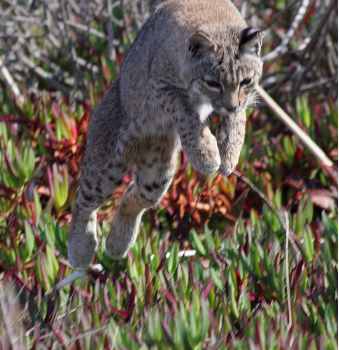
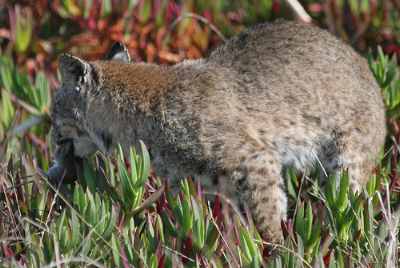
Cats in the wild eat animal tissue, which provides little (if anything) in the way of a carbohydrate energy source.
Cats, though, have evolved so that they can survive without any carbohydrate in the diet. Protein provides the cat with the energy that she requires through her unique metabolism.
It would seem that the diets of a large number (and growing number) of domestic cats contains high levels of carbohydrates as they eat dry cat food. It seems that canned cat food has less carbohydrate in it than dry cat food as the process for manufacturing dry cat food demands starch in it (click here for more on this) for the process to work.
Of course, there are times when carbohydrates as a source of energy is beneficial to a cat. Insoluble carbohydrates are called fibre (fiber). This is not digested but acts as roughage and is required to keep the digestive system in good working order. The natural source of fiber for a cat is however the feathers and fur (for example) that are eaten with killed prey.
 |
Dry cat foods in the USA have a different nutritional profile to wet cat food. When the moisture level is removed from dry food (there is some moisture in it) we have a breakdown of, protein=20-35%, fat=10-25%, carbohydrate=25-50%¹. The remainder of the food is fibre, vitamins and minerals.
In the USA wet cat food (canned and/or in a pouch) contains less carbohydrates than dry cat food. If you take out the “moisture” (usually around 80% in the UK and possible a little less in the US) you would have a breakdown of protein=40-55%, fat=25-35% and carbohydrate=2-8% (see note). The rest of the food is fibre, vitamins and minerals.
I would have thought that there is a similar difference in dry and wet cat food the world over as the manufacturing process dictates the food profile and the manufacturing process by necessity has to be similar (unless and until a new process is devised – tell me if one has by filling in the form on this page , please).
Cats seldom eat more than they need unless the diet is exceptionally attractive. Dry cat food is made attractive by spraying on meat digest (smelling and tasting of meat) and the carbohydrate levels create a sugar high leading to a demand for more food once it has worn off.
Cats prefer food at around 35°C (freshly killed prey).
Conclusion
If you are seeking a low carbohydrate cat food, wet cat food seems better than dry. The best form of low carbohydrate cat food would be home made cat food provided it is made with due care and diligence, which means added supplements. You can read a bit about this on this page. And see this page as well (if you like).
I have recently taken my cat off dry cat food and she is now on a mixture of wet canned or pouched food and cooked fish plus occasional supplements.
There may be a link between dry cat food and overweight and diabetic cats.
Sources:
- “Your Cat” by Elizabeth Hodgkins for figures
- Veterinary Notes for Cat Lovers by Trevor Turner BVet Med, MRCVS and Jean Turner VN, for some of this
1. These figures are as publiched as at late 2007. The manufacturers may change food profiles over time so please check the ingredients and percentages.
